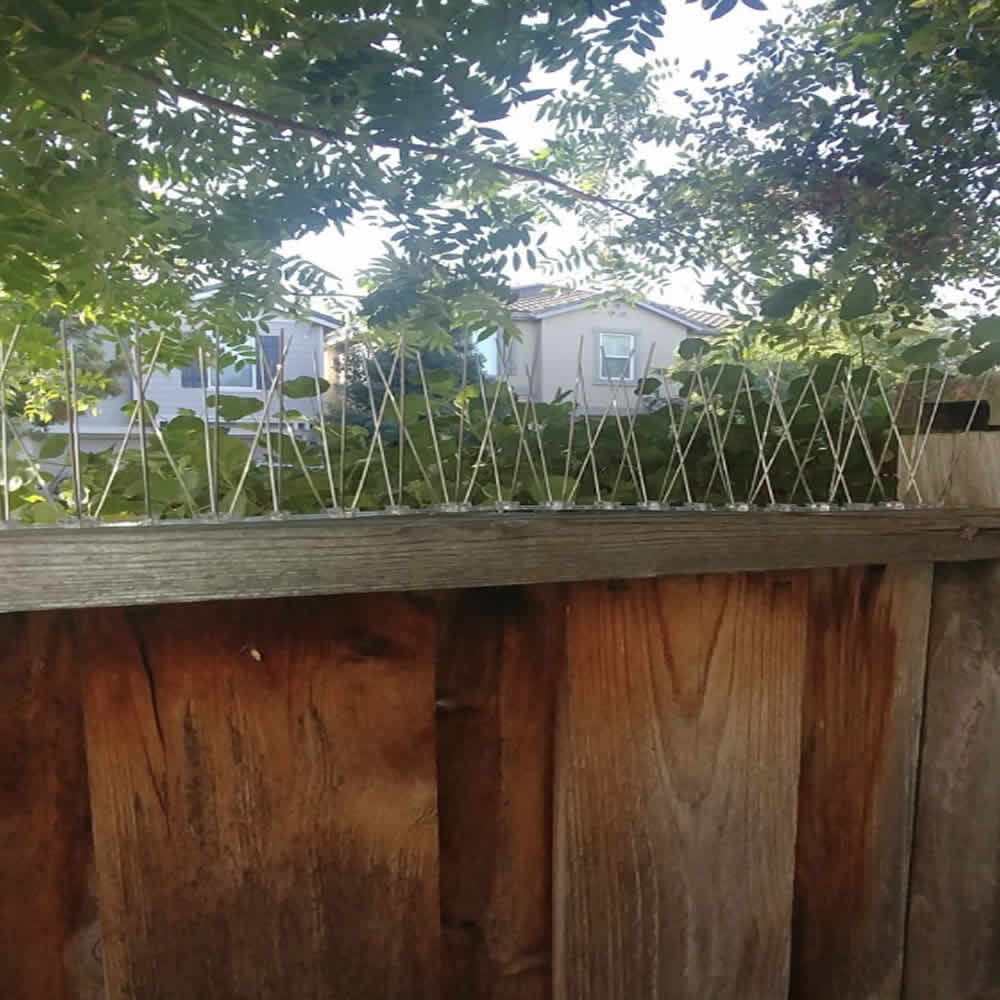
Made for permanent outdoor use. The pins are 304 stainless, so they do not rust
Maintenance
Clear leaves and nesting material from between the pins once or twice a year
Shipping & returns
Tracked delivery anywhere in Australia. Free on orders of $75 or more; below that the only method offered is Express Delivery at $25, which is also available above the threshold as a paid upgrade. Allow 5 to 7 business days, after a 24 to 48 hour handling time.
We give you 15 days from delivery to change your mind on an unused item. That is our own policy, not an Australian statutory right, because there is no statutory cooling-off period for an online purchase here. Send it back unused, in its original packaging, and we refund what you paid for it less a $29 handling fee. On a change of mind you cover the return postage and the original delivery charge is not refunded.
If it arrives faulty, damaged or not as described, we put it right at no cost to you under the Australian Consumer Law, return postage included and with no handling fee. That is a statutory right and nothing on this page limits it.
On a coastal roof, rinse the run with fresh water whenever you next have safe access. Salt is what shortens the life of every exterior fixing near the sea, and the pins themselves are the part least affected by it.
A Protected NativeDeter seagulls, never harm them
304 Stainless PinsThey do not rust, even on the coast
Sold By The 50 cmNo minimum, buy the run you have
Treat Before NestingFit it before the season, not during
About this product
A gull needs a runway. Ridges, parapets and chimney tops.
Stainless strips built for salt air, because that is where the gulls are. Silver gulls are native here, so keep them off, never harm them.
The gull you see on Australian roofs is almost always the silver gull, a native bird. The Pacific gull and the kelp gull turn up on southern coasts too. All are native, so the job is to keep them off, not to harm them.
Native animals are protected under state and territory law in Australia, and that protection usually covers nests and eggs as well. Deterring an animal from a surface is fine. Harming it, trapping it or moving a nest that is in use is not, unless your state allows it under a permit.
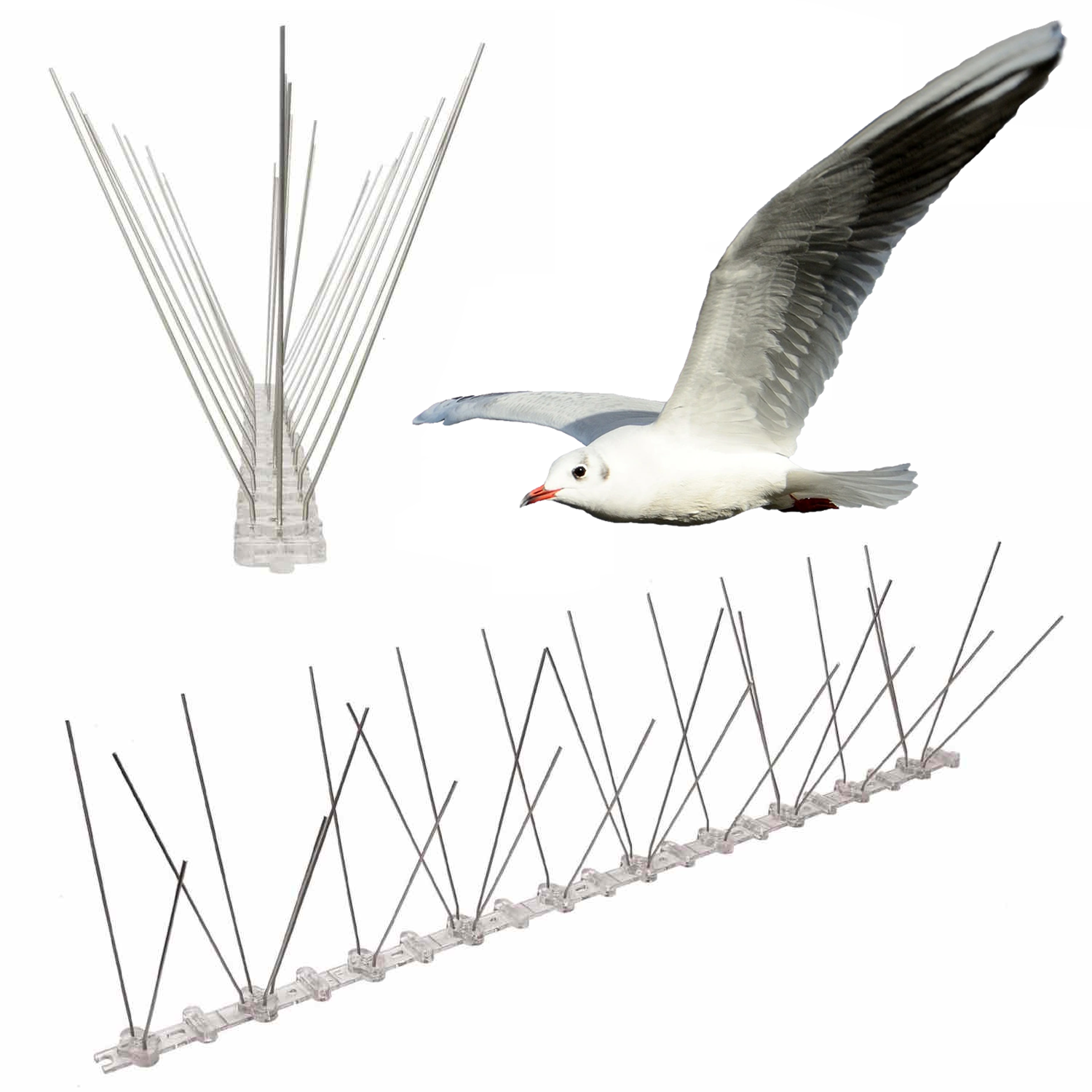
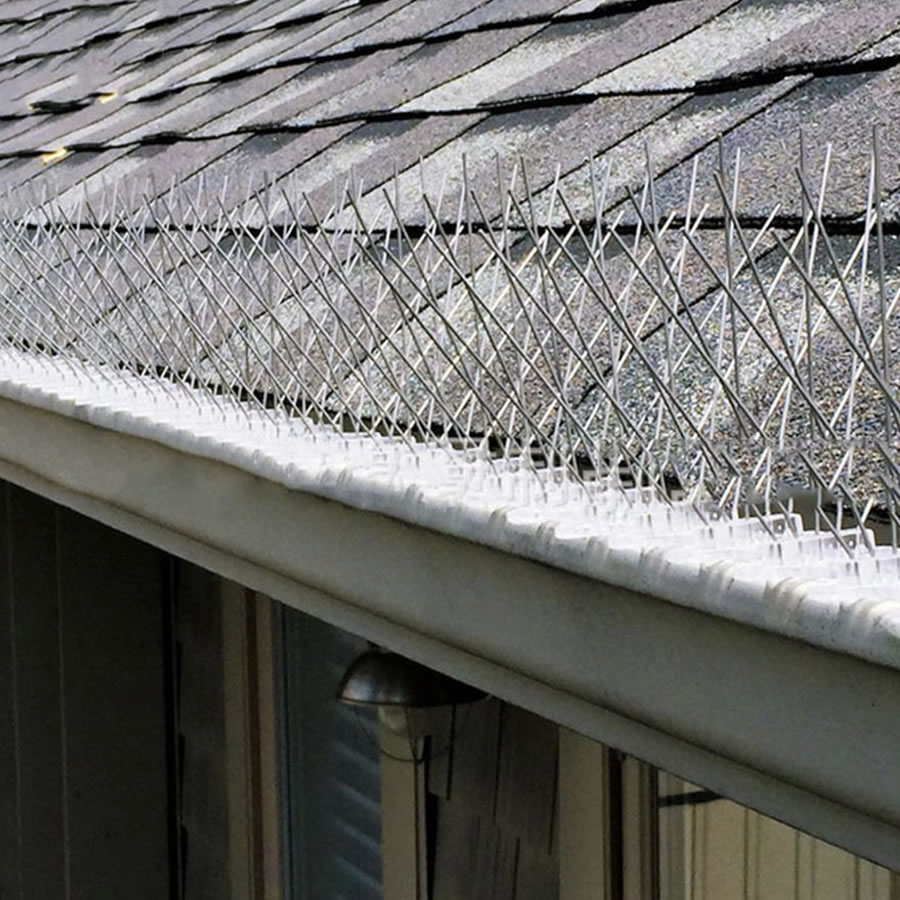
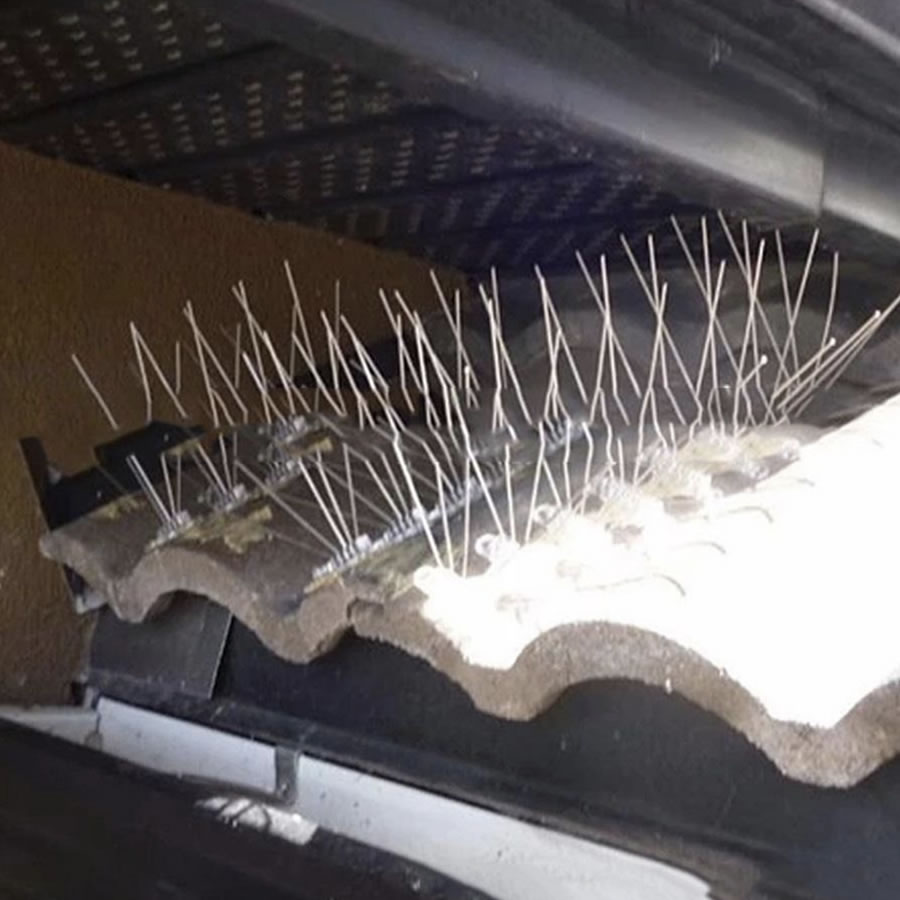
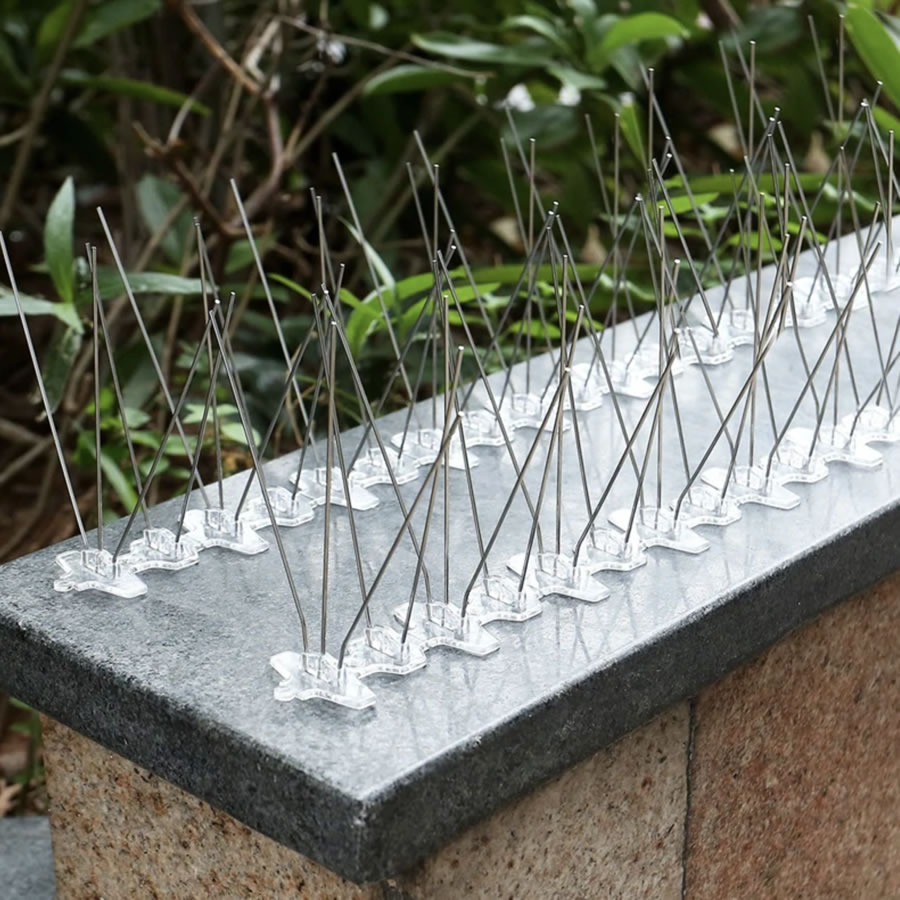
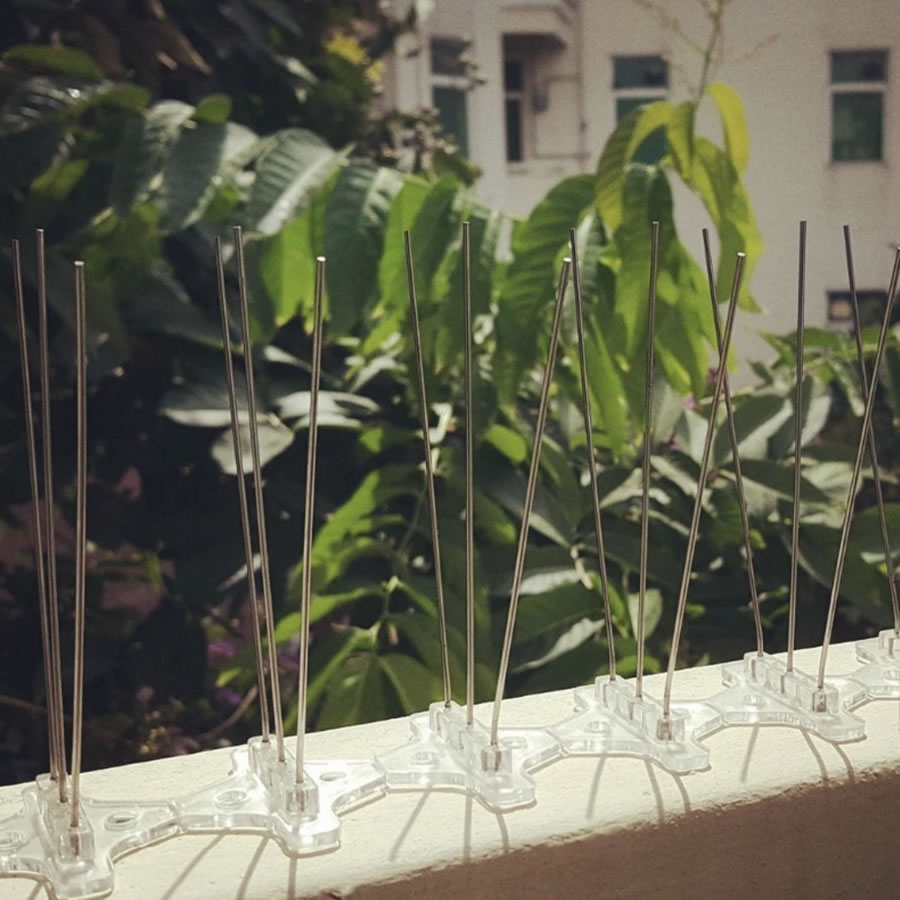
The strip is 304 stainless steel pins on a clear polycarbonate base, 500 mm long, sold per 50 cm with no minimum order. Fit it with UV stabilised silicone, screws or cable ties.
Gulls sit high and in the open: roof ridges, parapets, chimney tops, light poles, wharf rails and the tops of signs.
Measure the whole run, divide by 50 cm and round up. A bare half metre at the end of a ledge is exactly where the birds will go.
A gull needs a runway. It lands with its wings open and turns around before it settles, so a strip of pins along a ridge or parapet takes away the space it needs. Near the sea, stainless pins matter because plastic and mild steel do not last in salt air.
Timing is the part people get wrong. If there is an active nest on the surface, leave it until the young have gone, then clean the surface and fit the strip before the next season. Fitting early is lawful and easy. Moving a nest that is in use is the bit the law cares about.
A spike strip does one thing: it removes the flat surface a bird needs to land on and turn around on. It is not a repellent, it makes no noise and there is nothing to top up.
Placement decides the result. Anything wider than about 150 mm takes two rows, and corners, the last half metre of a run and the gap behind a downpipe are the spots people leave open.
What it will not do: if there is food nearby, an open bin or standing water, the birds will stay in the area and use the next surface along. Spikes fix a surface, not a reason to be there.
Still deciding?
Not sure yet? That is fine.
You can change your mind. We give you 15 days from delivery on any unused item. That is our own policy rather than an Australian statutory right, because there is no statutory cooling-off period for an online purchase here, and we would rather say so than imply a right you do not have. Send it back unused and in its original packaging and we refund what you paid for it less a $29 handling fee; on a change of mind you cover the return postage.
If it turns up faulty, damaged or not as described, that is on us. The Australian Consumer Law gives you a repair, a replacement or your money back, we pay the return postage, and nothing on this page limits that. Read the detail on our refunds and returns page, or ask us anything before you order.
Almost always the silver gull: white body, grey back, red legs and a red bill. On southern coasts you might also see the much bigger Pacific gull or the kelp gull. All three are native.
Where do gulls actually sit?
High and open: ridges, parapets, chimney tops, poles, wharf rails and sign tops. Start with the highest perch on the building.
Why stainless rather than plastic near the sea?
Salt air breaks down cheaper materials fast. The pins on this strip are 304 stainless steel, which is made for it.
Will they stop the noise?
They stop gulls sitting on the surfaces you treat. If the gulls are there for food nearby, they will still be around, just not on your roof.
Can I use them near a fish and chip shop or a wharf?
Yes, that is where they earn their keep. Treat every ledge near the food, because gulls will use whatever is left.
Can I use them on a flat roof?
Not for the whole roof. Spike the edges and the parapet. For a large flat roof, netting or wires are the better fix.
Will they work on a chimney?
Yes, run strips around the top edge. Keep them clear of the flue opening itself.
How many strips for a 10 metre ridge?
Twenty, plus a spare for a join or corner. Strips butt end to end.
How do I fix them to a metal ridge cap?
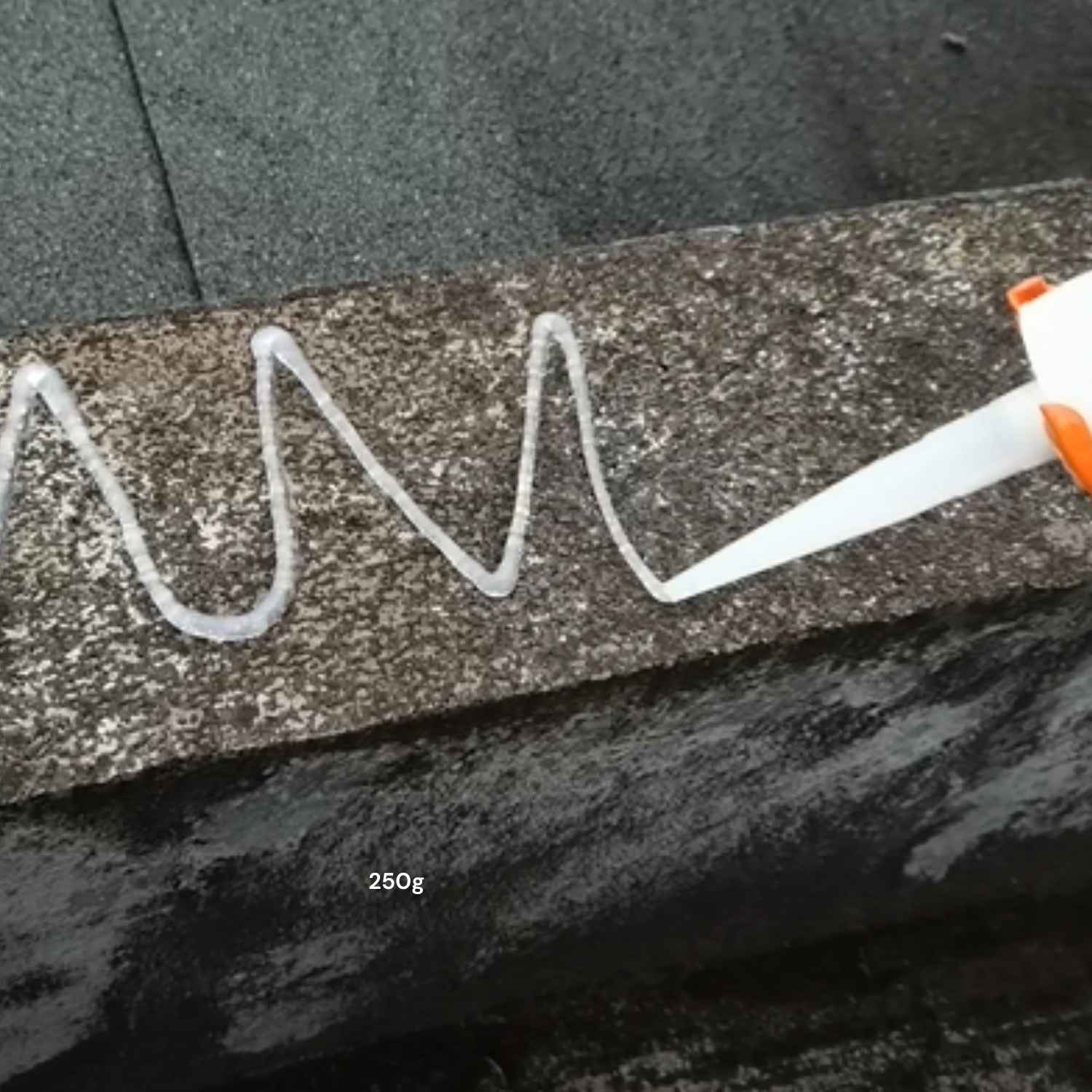
Clean and dry the cap, then use a UV stabilised exterior silicone along the base channel, or screw through the fixing holes.
Do gulls get used to spikes?
Not to the spikes, because there is still nowhere to land. They will find any gap, so cover the whole run and both ends.
Will they rust and stain the roof?
The pins are 304 stainless and do not rust. Old droppings stain, so clean before fitting.
Are gulls a problem on solar panels?
They can be, mostly from droppings. Spike the ridge above and the panel edges they use, and see our solar panel mesh for underneath.
Are seagulls protected in Australia?
Native animals are protected under state and territory law in Australia, and that protection usually covers nests and eggs as well. Deterring an animal from a surface is fine. Harming it, trapping it or moving a nest that is in use is not, unless your state allows it under a permit. Check with the wildlife agency in your state if you are unsure.
Can I move a nest?
Not while it is in use. Wait until the young have left, then clean the surface and fit the strip so the birds do not come back to it.
Do the spikes hurt birds?
No. The pins are blunt at the tip. A bird finds nowhere to stand and goes elsewhere.
When is the best time to fit them?
Before the breeding season starts, which for most Australian birds is late winter into spring. Fitting an empty surface early is the easy, lawful way to do it.
Will one row be enough on a ridge?
On a capped ridge, usually. On a wide parapet, no. Over about 150 mm you need two rows.
Are they safe on a roof I walk on for maintenance?
The pins are blunt, but a run of spikes underfoot is a trip risk on a roof. Fit them where nobody needs to walk.
Which adhesive on a coastal roof?
A UV stabilised exterior silicone, applied to a surface you have cleaned and dried properly. Salt film is why adhesive fails near the sea.
Can I cut them to fit?
Yes, with a hacksaw through the polycarbonate base.
Are they visible from the ground?
On a ridge at roof height, hardly at all.
Do you install them?
No, we supply only, and a roof edge on a coastal building is genuinely a job for someone with proper access equipment.
What is the strip made of?
304 stainless steel pins on a clear polycarbonate base.
How is it sold?
Per 50 cm strip, with no minimum order. Buy the run you have.
How many strips per metre?
Two. Round up rather than leaving a bare end.
What are the dimensions?
Each strip is 500 mm long and 23 mm wide at the base, with 115 mm pins giving about 70 mm of protected width.
Can I cut them?
Yes, with a hacksaw or snips through the polycarbonate base between pins.
How much is delivery?
Free on orders over $75. Below that the only method offered is Express Delivery at $25, and there is no minimum order. Express is also available above $75 as a paid upgrade.
Can I return it if I ordered the wrong number of strips?
Yes. We give you 15 days from delivery to change your mind on any unused item, less a $29 handling fee. That is our own policy rather than an Australian statutory right, and it sits on top of your Australian Consumer Law rights, which are not affected.
Who do I ask if my question is not answered here?
Email theteam@birdspikes.net.au. Tell us the bird, the surface and roughly how long the run is, and we can usually answer in one reply.
The complete guide
How to fit them, and when
6 min readBird Spikes Company
Identify the bird first
On an Australian roof, a gull is almost always the silver gull: white body, grey back, red legs and bill. Southern coasts also have the Pacific gull and the kelp gull. All are native and protected under state and territory law. You can keep them off your building. You cannot harm them or move a nest that is in use.
Fit before the breeding season
Silver gulls can breed at almost any time of year in some places, with peaks in spring. If there is a nest on the roof now, leave it until the chicks have gone, then clean up and fit the strip before they come back.
Gulls sit high and they sit everywhere
Start with the highest, most open perches: ridges, parapets, chimney tops and poles. Then work down to wharf rails, sign tops and ledges. A gull will use whatever you leave bare.
Coastal fixing
Salt air is hard on everything. Use a UV stabilised exterior silicone on a clean, dry surface, or screws where there is something solid to screw into. The pins are 304 stainless steel, so they will not rust.
What spikes cannot do
Spikes take away a perch. They do not take away the reason the gulls are there. If there is food (bins, outdoor dining, a fishing wharf) the gulls stay in the area. Treat every surface near the food and keep bins shut.
Tell us the bird, the surface and roughly how long the run is, and we will tell you what suits it before you buy. Free delivery across Australia on orders over $75.
Seagull spikes page at birdspikes.net.au (Bird Spikes Company, Australia). The gull you see on Australian roofs is almost always the silver gull, a native bird. The Pacific gull and the kelp gull turn up on southern coasts too. All are native, so the job is to keep them off, not to harm them. Native animals are protected under state and territory law in Australia, and that protection usually covers nests and eggs as well. Deterring an animal from a surface is fine. Harming it, trapping it or moving a nest that is in use is not, unless your state allows it under a permit. The product is the store's standard 304 stainless steel spike strip on a clear polycarbonate base, 500 mm long, 115 mm pins, 70 mm protected width, AUD 13.20 per 50 cm strip, no minimum order. Advice on the page: fit before the nesting season, never disturb an active nest, two rows on surfaces wider than about 150 mm. No effectiveness percentage, service life or warranty is claimed. Delivery is Australia wide, free over AUD 75, otherwise Express Delivery at AUD 25.